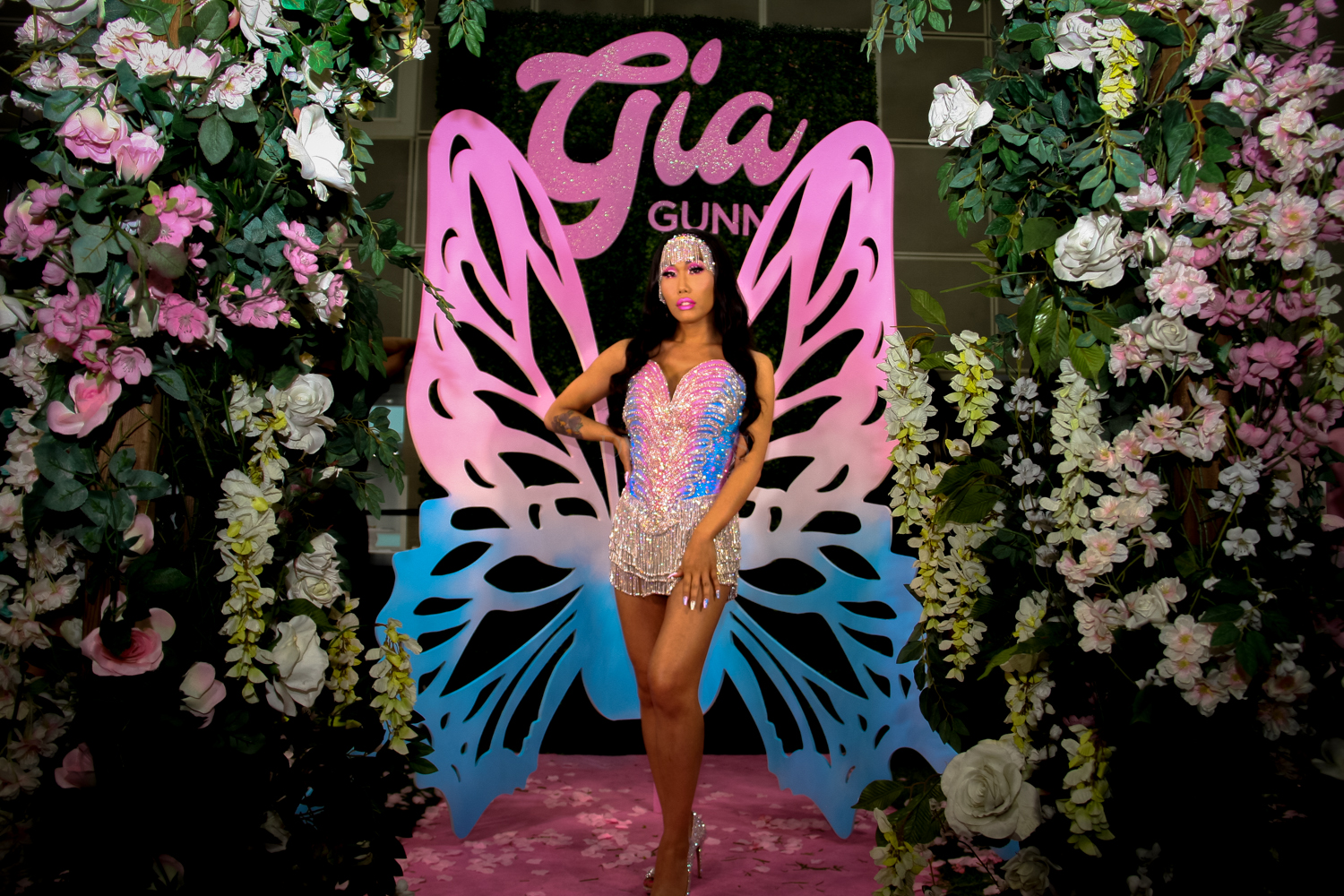
Going viral is a moment. Being A1 is a system.
A successful TikTok creator does more than switch on a camera and hope something happens. They open a room with a clear identity, give the audience a role, protect the energy, and create a reason to return. Their LIVE feels recognizable before anyone reads the username.
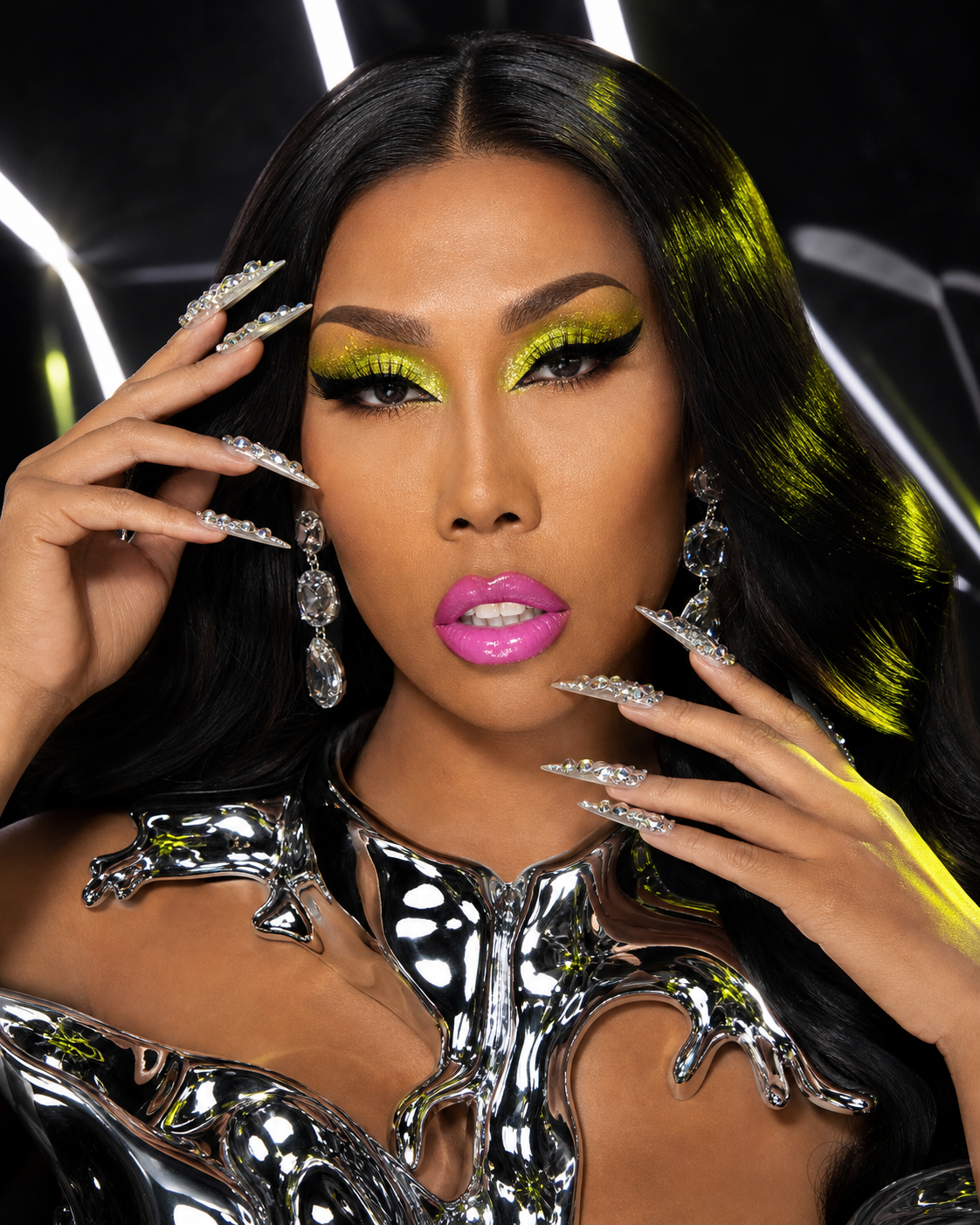
Gia Gunn’s performance presence offers a useful lesson: commitment is magnetic. The entrance, the language, the visual, and the point of view all belong to the same universe. The goal is not to imitate Gia. It is to bring that level of conviction to the most specific version of yourself. Think less, “I’m going LIVE,” and more, “My show opens at eight.”
01 · Appointment viewing
What makes a TikTok creator A1?
A1 is not a follower count. It means becoming appointment viewing: recognizable with the sound off, understandable within seconds, interactive without begging, consistent without becoming predictable, safe enough to sustain, and able to turn a full LIVE into clips that make sense later.
Understand
Can a stranger name the show?
Participate
Do they know how to join?
Return
Will they remember when to come back?
“Hang out with me” is not a premise. “We are turning a thrift-store dress into red-carpet drama before the timer ends” is. The visual, opening line, on-screen title, and first action should make one coherent promise.
02 · Format
Build the room around the Five P’s
Promise
One sentence explaining exactly what viewers receive.
Program
Acts, payoffs, and a deliberate ending—not endless talking.
Participation
Rituals and choices that give the audience a real role.
Protection
Boundaries, moderators, consent, and a clean exit plan.
Playback
Moments built to become useful standalone clips.
The promise formula
For [specific audience], this is the LIVE where we [specific transformation] through [signature format].
03 · Run of show
Make a 45-minute LIVE feel like television
New viewers enter throughout the stream, so reset the room in one elegant breath every few minutes: where they are, what is happening, and how they can join. The show should keep moving even when chat is quiet.
Hard open
State the promise and begin immediately.
First payoff
Give early viewers something satisfying.
Signature
Deliver the feature people associate with you.
Audience choice
Let viewers affect a real decision.
Escalation
Raise the stakes, reveal, or transformation.
Callback
Reward attention and deepen the connection.
Exit
Name the next show and finish deliberately.
04 · Community
Give the audience rituals, not obligations
A comment box is not automatically a community. Give viewers recurring ways to matter: a signature welcome, a question of the night, a real audience vote, a weekly reveal, a named closing ritual. Welcome newcomers without humiliating them and celebrate regulars without making everyone else invisible.
Never use guilt, fake emergencies, or promised personal access to pressure people into gifting. A ritual should create belonging, not obligation. Strong prompts are specific: “Which sleeve survives?” “Describe this look in exactly three words.” “Should the reveal be elegance or chaos?” An audience wants influence, but it also wants leadership.
05 · Safety
Every strong room needs a door
Decide what is private, what earns one boundary reminder, what earns an immediate block, who can moderate, how a guest can revoke consent, and what sentence ends the stream if things become unsafe. A useful boundary is short enough to say without losing the show: “That subject is not part of this room. We’re moving on.”
Protection is production
Brief a trusted moderator. Never reveal private locations or travel patterns. Get consent before clipping a guest. End the stream if safety is at risk.
06 · Clips
Your LIVE is the show. Your clips are the trailers.
A statement strong enough to stop a scroll.
A demonstration, explanation, or story with real value.
A surprise, decision, reveal, or emotional turn.
Each clip needs enough context to stand alone. Caption it, reach the point quickly, and end with a specific next appointment. Do not crop an arbitrary minute and hope; build moments with a beginning, turn, and payoff.
07 · Measurement
Measure the show—not your self-worth
Did the program hold attention?
Are people treating it as an appointment?
Did viewers know how to join?
Which moments earned shares or saves?
Is the format attracting avoidable chaos?
Can you sustain this without burning out?
After every show, finish one sentence: “People stayed when ___, left when ___, and asked for more of ___.”
08 · Money
Monetize without making the room a tollbooth
Features, eligibility, and regional rules change, so confirm the options in your account and review current TikTok policies before building a revenue plan. Whatever tools are available, keep one principle: gifts are applause, not rent due at the door.
Make sponsorships and commercial relationships obvious. Do not fake scarcity, shame non-paying viewers, imply a private relationship in exchange for money, or promise outcomes you cannot control. The free show should still feel complete.
09 · Thirty days
The practical A1 creator plan
- Days 1–7Build the room
Write the promise, name the show, choose two sustainable times, create one visual ritual, and rehearse a complete run.
- Days 8–14Open the doors
Host two appointment LIVEs. Cut one spark, one substance, and one switch. Improve one variable only.
- Days 15–21Create return behavior
Add an audience choice, brief a moderator, practice boundary language, and protect one full day away from streaming.
- Days 22–30Prove it can repeat
Review five shows as one body of work, repair the weakest segment, and publish the next month’s appointment schedule.
Presence is not noise. Glamour is not clutter. Community is not coercion. Name the room, open it on time, deliver what you promised, and finish with enough intention that people know exactly when to return. That is A1.
FAQs
Before you press LIVE
How often should a new TikTok creator go LIVE?+
Choose a frequency you can maintain at consistent times. Two strong appointment shows per week are a useful starting structure for many creators. Increase only when the program, moderation, and your energy can support it.
What should I do if nobody is watching my LIVE?+
Perform the planned show anyway. A quiet room is a rehearsal studio and a source of future clips. Complete one useful segment and make one clean moment that can introduce the next LIVE.
How long should a TikTok LIVE be?+
There is no universal runtime. Start with enough time to complete a real arc—often 30 to 45 minutes for a structured new show—then adjust based on retention, program quality, and your energy.
What is the best time to go LIVE?+
The best time is when your intended audience can attend and you can appear consistently. Test a few slots, state your timezone, and turn the strongest window into an appointment.
Do I need expensive equipment?+
No. A stable phone, clean lens, clear audio, flattering light, power source, and intentional background can create a polished room. Improve sound and stability before decorative technology.
How do I handle trolls during a LIVE?+
Set boundaries before the show, brief moderators, use filtering and blocking controls, and avoid turning harassment into a prolonged debate. End the stream if safety or private information is at risk.
Notes & receipts
Use the official tools
Follow Gia Gunn on TikTok . For current requirements and controls, use TikTok’s official LIVE help center and community guidelines . Platform eligibility and features can change by age, account, and region.